

Owning a spa can provide a relaxing place to unwind, soothe tired muscles, and spend quality time with family and friends. However, keeping the water clean and the equipment functioning properly requires some routine attention. Unfortunately, misinformation can make this process seem more complicated than it really is.
Many owners rely on assumptions they have heard from friends, neighbors, or outdated advice. Believing these misconceptions may lead to unnecessary work, higher operating costs, or avoidable equipment problems.
Understanding the facts behind regular care can help you create a simpler and more effective hot tub maintenance routine.
Myth 1: You Only Need To Change the Water When It Looks Dirty
One common misconception is that clear water is always clean. While cloudiness, discoloration, and unpleasant odors can signal a problem, water may contain contaminants long before visible changes appear. Body oils, lotions, sweat, and other organic materials can gradually accumulate, even when the water looks clear.
Sanitizers help control bacteria and other microorganisms, but they do not remove every dissolved substance from the water. Over time, these materials can affect water chemistry and make it more difficult for sanitizers to work effectively. Regular testing provides a more accurate picture of water quality than appearance alone.
The appropriate water replacement schedule depends on factors such as how often the spa is used, how many people use it, and the products added to the water. A frequently used unit generally needs fresh water more often than one used only occasionally. Checking chemical levels consistently can help you recognize when maintaining proper balance becomes increasingly difficult.
Myth 2: Adding More Chemicals Always Solves Water Problems
When water becomes cloudy or develops an unusual odor, some owners assume the best solution is simply to add more sanitizer. However, adding chemicals without testing the water first can create additional problems. Water chemistry involves several interconnected factors, and correcting one issue without understanding the cause can push another level out of balance.
For example, sanitizer effectiveness can be affected by pH and alkalinity. If these levels are outside their recommended ranges, adding extra sanitizer may not produce the desired results. Testing the water before making adjustments allows you to identify which levels actually need attention and avoid unnecessary chemical use.
It is also important to use products according to their directions rather than estimating amounts. Excessive chemicals can cause discomfort, damage certain components, or create water conditions that require additional corrective steps. More product does not necessarily mean better results, especially when the underlying problem involves filtration, contamination, or improper water balance.
A consistent testing schedule is usually more effective than reacting only when something appears wrong. By monitoring water chemistry and making small adjustments when needed, you can address developing issues before they become more difficult to manage. This approach can make hot tub maintenance more predictable while reducing the temptation to overcorrect with unnecessary chemicals.
Myth 3: Filters Do Not Need Attention Unless Water Flow Drops
Filters perform an essential role by capturing debris and helping keep water circulating through the system. Because they work continuously during normal operation, they can collect oils, dirt, hair, and other contaminants that are not always visible. Assuming a filter is clean simply because water is still flowing can allow buildup to accumulate over time.
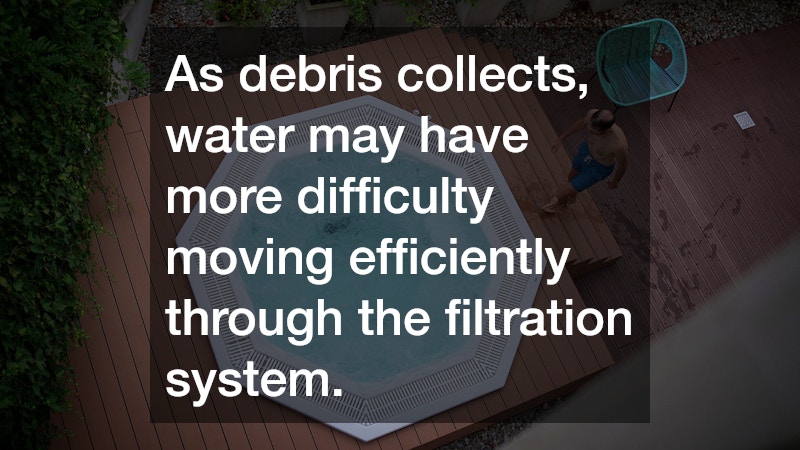
As debris collects, water may have more difficulty moving efficiently through the filtration system. This can place additional strain on pumps and other equipment while reducing filtration performance. Cleaning filters regularly helps remove accumulated material before it creates a more significant obstruction.
A proper cleaning routine may involve rinsing the filter and periodically using a cleaner designed for the specific filter material. It is important to follow the equipment manufacturer’s instructions because cleaning methods can vary. Using the wrong product or handling the filter too aggressively could damage it and shorten its usable life.
Regular care does not have to be complicated, but it does require more than waiting for visible problems to appear. Testing water, maintaining balanced chemical levels, cleaning filters, and replacing water when appropriate can all contribute to a more reliable routine.
By moving beyond common misconceptions, owners can make more informed decisions about their equipment and water care. A proactive approach to hot tub maintenance can help reduce avoidable problems and make it easier to enjoy a clean, comfortable space whenever you are ready to relax.